Kia Niwha – Strong People
building the capability (ability and knowledge) and capacity (resources and energy) of our people to achieve our dreams.
building the capability (ability and knowledge) and capacity (resources and energy) of our people to achieve our dreams.
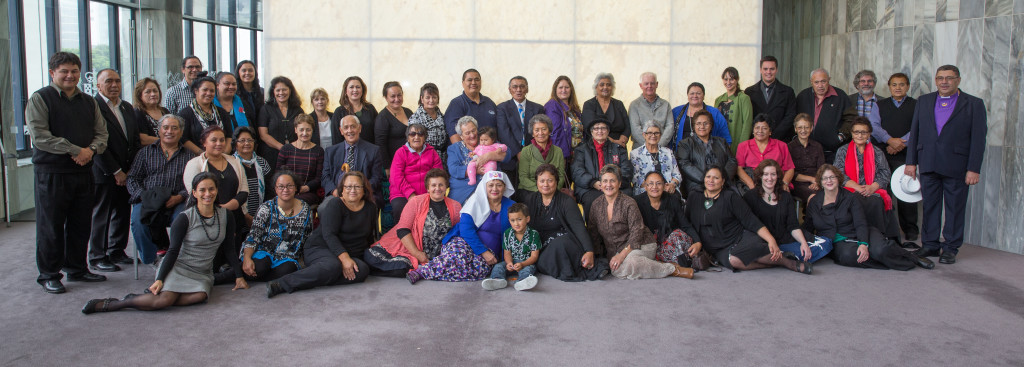
Across the two hui, we have heard from whānau about the proposed changes to our Trust Deed, the future sustainability and priorities of Maungaharuru-Tangitū Trust, and the rebuild of Tāngoio Marae.
Thank you to everyone who has shared pātai, whakaaro and challenges with us. There has been a lot of kōrero, and it is helping inform the next steps and longer-term direction of the Trust.
Across both hui we worked through the proposed changes to the Trust Deed and heard a wide range of whakaaro from whānau.
Whānau expressed support for some of the directions proposed, while also identifying areas they want Trustees to consider further.
These included:
Protecting our whenua and taonga
Whānau asked whether stronger protections are needed for significant whenua and property, who determines what is taonga, and how important decisions about whenua and assets should involve whānau. There was also whakaaro that the value of settlement whenua is not only financial, it carries whakapapa, history and significance to us as mana whenua. The kōrero reinforced the importance of protecting what belongs to the hapū and ensuring the decisions we make today continue to benefit future generations.
Ensuring the Deed reflects who we are
Whānau asked how our mātāpono, mana whenua, taiao, mātauranga and kaitiakitanga are reflected in the Deed, and challenged us to ensure the Deed reflects who we are as Maungaharuru-Tangitū and the values and tikanga that should guide us.
There was also support for recognising the important role of kaumātua, pūkenga and whakapapa knowledge, alongside whakaaro about succession and ensuring this mātauranga continues across generations.
Whānau participation and visibility
Whānau raised the importance of kanohi kitea and Trustee accountability, including what being present and connected to whānau and hapū kaupapa should look like in practice. There were also questions about how whānau participate in decision-making, how the proposed Kāhui and committees would work, and how their membership would be determined.
Governance, accountability and succession
Whānau shared whakaaro about Trustee decision-making, quorum, attendance and accountability, as well as leadership succession and how whānau voice is reflected within governance. There was support for clearer roles between governance and management, while ensuring Trustees remain accountable to whānau.
More time to wānanga
At the Hui-ā-Hapū, whānau asked for more time to consider the proposals and wānanga with their whānau. We heard that, and feedback will now remain open until 5.00pm Friday 2 October 2026.
The online hui provided another opportunity to work through the proposed changes and share whakaaro. Trustees will consider all feedback received before deciding which proposed changes, if any, proceed to the formal whānau vote.
We also shared the financial journey of Maungaharuru-Tangitū Trust – from settlement through to where we are today.
Our asset base has grown substantially. We have also built greater capability and taken on considerably more mahi, particularly when our hapū needed us through Cyclone Gabrielle, housing and whānau support, Tāngoio Marae, taiao and advocacy.
External funding helped make much of that possible.
But that funding is reducing.
So, the question in front of us is:
How do we ensure Maungaharuru-Tangitū remains strong and sustainable for current and future generations?
This isn’t simply about cutting to a number. It starts with understanding the mahi we need to do and what we need to deliver it. It is also about strengthening our own sustainable income and financial independence over time, so we have greater ability to determine and pursue our own priorities rather than being reliant on changing external funding environments.
No final decisions have been made.
At the Hui-ā-Hapū, we asked whānau three questions about what matters most for the future of Maungaharuru-Tangitū.
What must Maungaharuru-Tangitū Trust always protect and do?
Whānau spoke strongly about protecting:
Whenua. Wai. Taiao. Whakapapa. Mātauranga. Tikanga. Kōrero tuku iho. Taonga.
To protect the interests and assets of the hapū, maintain connection to our whenua and wāhi taonga, uphold our aspirations and continue advocating for Maungaharuru-Tangitū.
Where should Maungaharuru-Tangitū Trust make the most difference?
The kōrero centred strongly on our people.
Supporting kaumātua, rangatahi and mokopuna. Creating education, training, mentoring and mahi pathways. Holding wānanga. Strengthening reo, whakapapa and tikanga. Drawing on the skills already within our hapū. Improving communication and engagement with whānau.
There was also kōrero about creating economic opportunities, strengthening relationships and partnerships, and becoming increasingly self-sustaining so our ability to act isn’t determined by changing funding or political environments.
What do we need to leave stronger for our mokopuna?
The answer wasn’t just money.
Whānau talked about succession, leadership, whakapapa, mātauranga, healthy whenua and wai, capable people, strong foundations, with a clear aspiration that their mokopuna inherit a living and lasting relationship with the whenua and opportunities to carry that connection forward.
The consistent message was to think long term – and make decisions now that leave Maungaharuru-Tangitū stronger for those who follow us.
Across the two hui we also shared progress on the rebuild of Tāngoio Marae, from the new marae platform and access road through to developed design, infrastructure, restoration of taonga and the pathway towards construction.
But the kōrero wasn’t only about buildings.
Whānau also talked about ensuring we grow the people, tikanga, mātauranga and capability that will bring our marae to life and sustain it for generations. There was also whakaaro about greater visibility of how whānau aspirations are being reflected in the design, opportunities for whānau involvement, and sharing the whakapapa and kōrero represented within the marae as the rebuild progresses.
For the Trust Deed Review, feedback remains open until 5.00pm Friday 2 October so whānau have more time to wānanga. Trustees will then consider the feedback before deciding which proposed changes, if any, proceed to a formal whānau vote.
For the sustainability kaupapa, we are still testing the direction. No final decisions have been made.
The feedback from the Hui-ā-Hapū, together with further whakaaro from whānau, will help Trustees work through what Maungaharuru-Tangitū Trust must retain and continue to do, where we can make the greatest difference, and what we need to leave stronger for future generations.
And we want to keep hearing from you.
Whether you joined us at the Hui-ā-Hapū, the online hui, both or neither, we still want to hear your whakaaro.
What must Maungaharuru-Tangitū Trust always protect and do?
Where do you most want Maungaharuru-Tangitū Trust to make a difference?
What do we need to leave stronger for our mokopuna?
Kōrero mai | Share your whakaaro
Trust Deed feedback closes 5.00pm, Friday 2 October 2026.
Registrations are open for Te Ara Kairangi Leadership Course Level 3, 17 week programme through Ngā Manukura o te Tairāwhiti Trust and EIT. The next noho Marae starts 6pm 29 […]
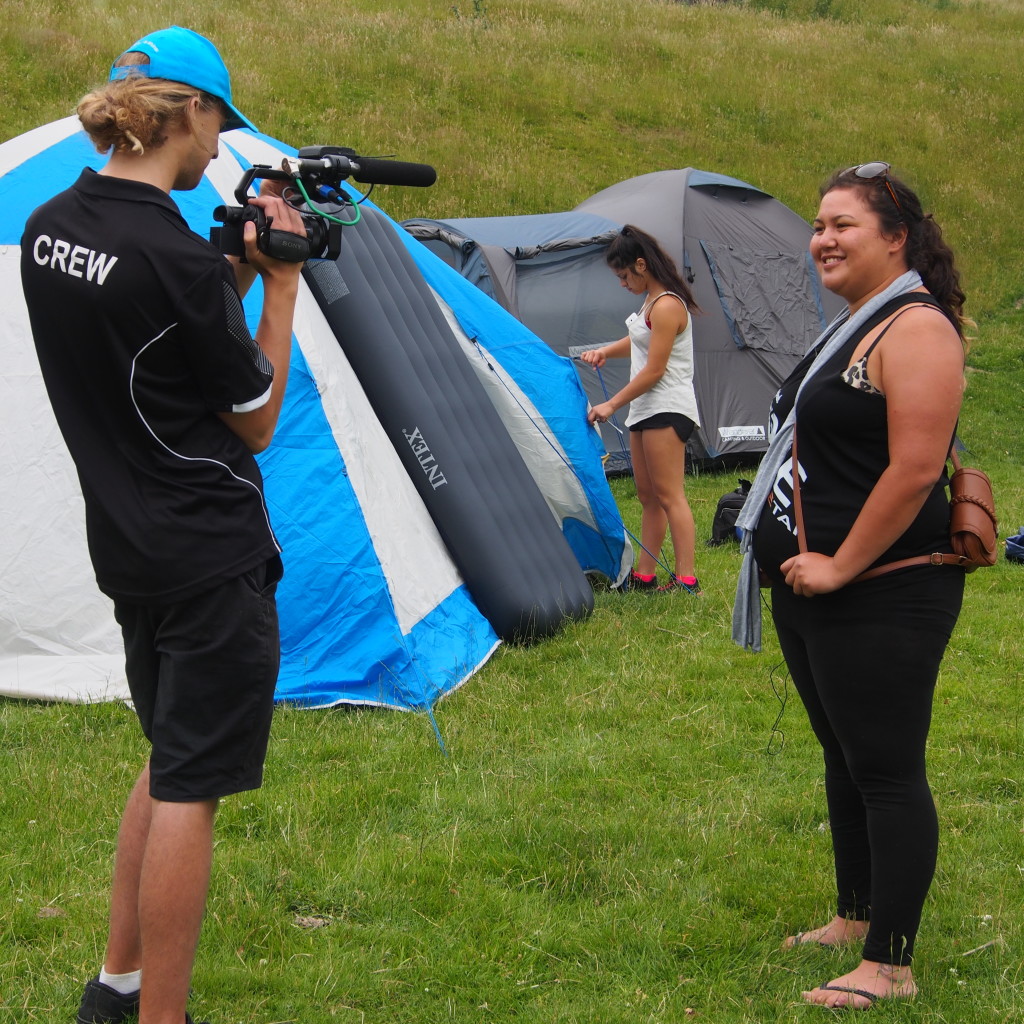
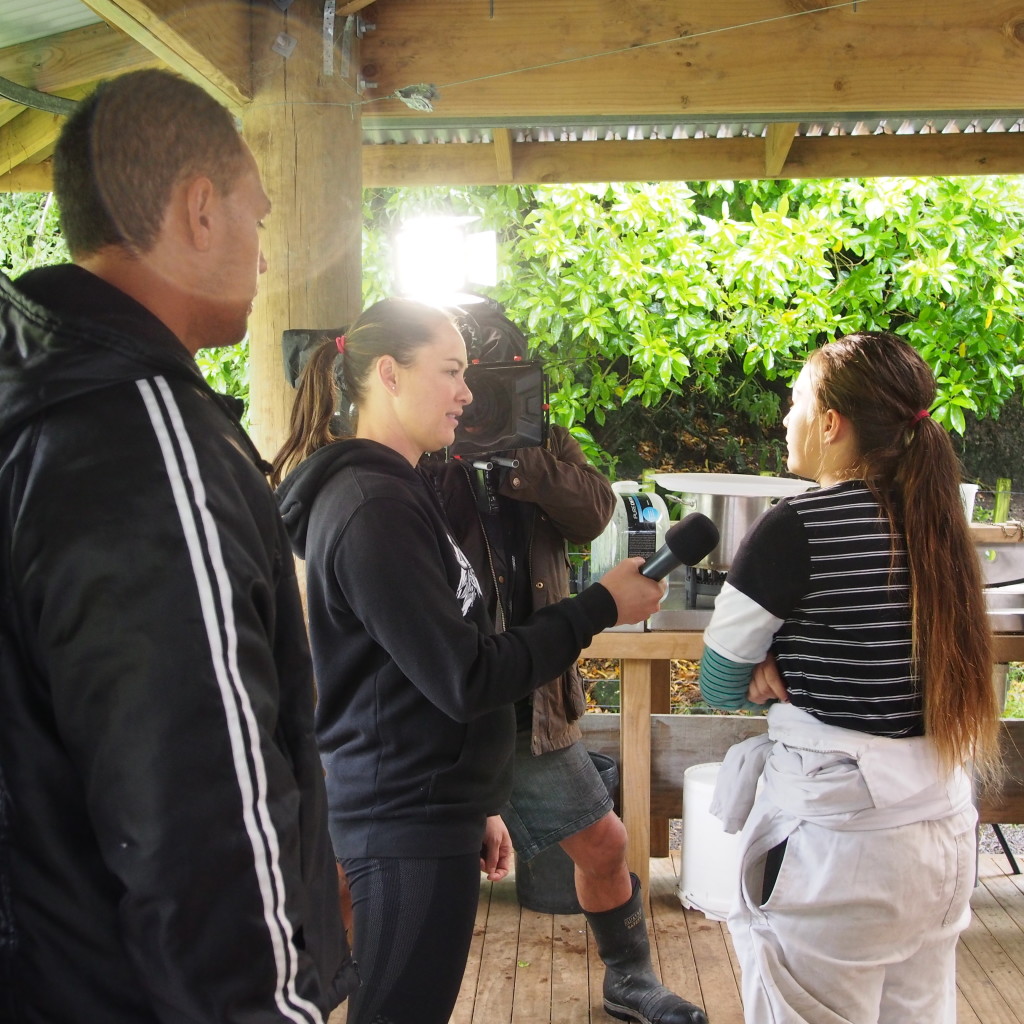
An 18 minute video was created about Te Ara Kairangi Rangatahi Leadership Programme held in January 2016. Mātakitaki Mai!
Te Ara Kairangi rōpu has set up a Noho Marae for Friday 11th – Saturday 14th March. This noho is classed as stage two of the main Te Ara Kairangi programme […]
The first ever Te Ara Kairangi Rangatahi Leadership Programme featured on Te Kaea, Māori Television in January 2016. Mātakitaki Mai!
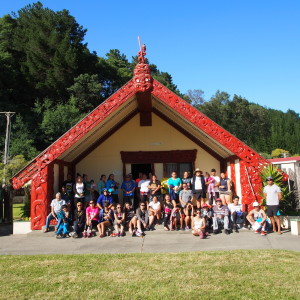
The first Te Ara Kairangi Rangatahi leadership programme was held 11 – 17 January 2016 at Tangoio Marae.
Te Ara Kairangi is a Youth Leadership Programme designed to build on the positive attributes of the individual, giving them the experiences to enrich their lives and provide them with the knowledge, skills, and dispositions they need to tackle new challenges in their career pathway and in life.
Te Ara Kairangi develops new learning opportunities and helps toward building individual self-management, self-reflection, and evaluation skills.
Participants developed knowledge, experience and understanding of:
For more information please see the Ngā Manukura O Te Tairāwhiti Trust website.